A Complete Guide to Training, Devices, Techniques & ADHD Support
In recent years, neurofeedback—also known as EEG biofeedback or brain training—has gained significant popularity as a non-invasive method to improve brain function. From supporting individuals with ADHD to helping people manage stress, anxiety, and sleep issues, neurofeedback offers a modern approach to understanding and enhancing brain performance. But what exactly is neurofeedback, how does it work, and what role do devices, machines, and headbands play in this training? Let’s dive in.
Understanding Neurofeedback
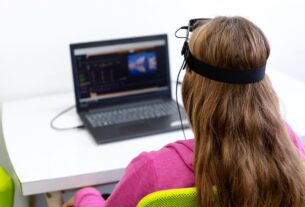
Neurofeedback is a therapeutic training method that provides real-time feedback on your brain’s electrical activity. Using EEG (electroencephalogram) sensors placed on specific points on the scalp, the system measures brainwave patterns and displays them through audio or visual cues.
The core idea is simple:
When the brain receives feedback about its own activity, it can be trained to regulate itself better.
This self-regulation leads to improved focus, emotional balance, and cognitive performance.
Unlike medication-based treatments, neurofeedback does not introduce any external substance. Instead, it relies purely on your brain’s ability to adapt and reorganize itself—known as neuroplasticity.
How Neurofeedback Training Works
Neurofeedback training typically involves structured sessions conducted by a certified practitioner or using home-based devices. Here’s what happens during a typical session:
1. Sensor Placement
Sensors or electrodes are placed on the scalp to detect brainwave patterns. These sensors do not send any electricity into the brain—they only record signals.
2. Real-Time Brainwave Monitoring
The sensors send data to a neurofeedback system, usually a computer or specialized machine, that analyzes the signals instantaneously.
3. Feedback Delivery
The system then provides positive or negative feedback depending on the brainwave activity. Feedback can be in the form of:
- Visual changes (a moving object, video brightness, game dynamics)
- Audio cues (tones, music modulation)
- Gamified tasks (your brain “controls” an animation or character)
4. Brain’s Response
When the brain receives feedback indicating better-functioning patterns, it subconsciously attempts to repeat those patterns. Over time, this leads to long-term changes in neural pathways.
5. Consistent Training
Most programs require 20 to 40 sessions, each lasting 30–45 minutes, for complete results. Like physical exercise, neurofeedback strengthens the brain through practice.
Types of Neurofeedback Techniques
Neurofeedback is not a single method; multiple techniques exist depending on the goal:
1. Traditional EEG Neurofeedback
Measures brainwaves—Delta, Theta, Alpha, Beta, Gamma—and trains the brain to balance them.
2. qEEG-Guided Neurofeedback
A quantitative EEG brain map (QEEG) is taken to identify areas of abnormal activity. The training is then customized based on your unique brain patterns.
3. Infra-Low Frequency (ILF) Neurofeedback
Trains extremely slow brainwaves, useful for trauma, emotional dysregulation, and chronic conditions.
4. SMR (Sensorimotor Rhythm) Training
Enhances calm focus and physical stability; helpful in ADHD and seizure management.
5. Alpha/Theta Training
Induces deep relaxation and is widely used for anxiety, creativity enhancement, and trauma recovery.
Neurofeedback Machines & Devices
With the rise of brain training technology, neurofeedback is no longer limited to clinics. Modern devices make it accessible even at home.
1. Clinical Neurofeedback Machines
Used by certified practitioners. They are highly accurate and provide multi-channel measurement. Examples include:
- Professional EEG amplifiers
- Multichannel training systems
- qEEG brain mapping equipment
These systems require trained experts to interpret data and create protocols.
2. Home Neurofeedback Devices
Popular among individuals who prefer flexible, affordable training.
Home devices include:
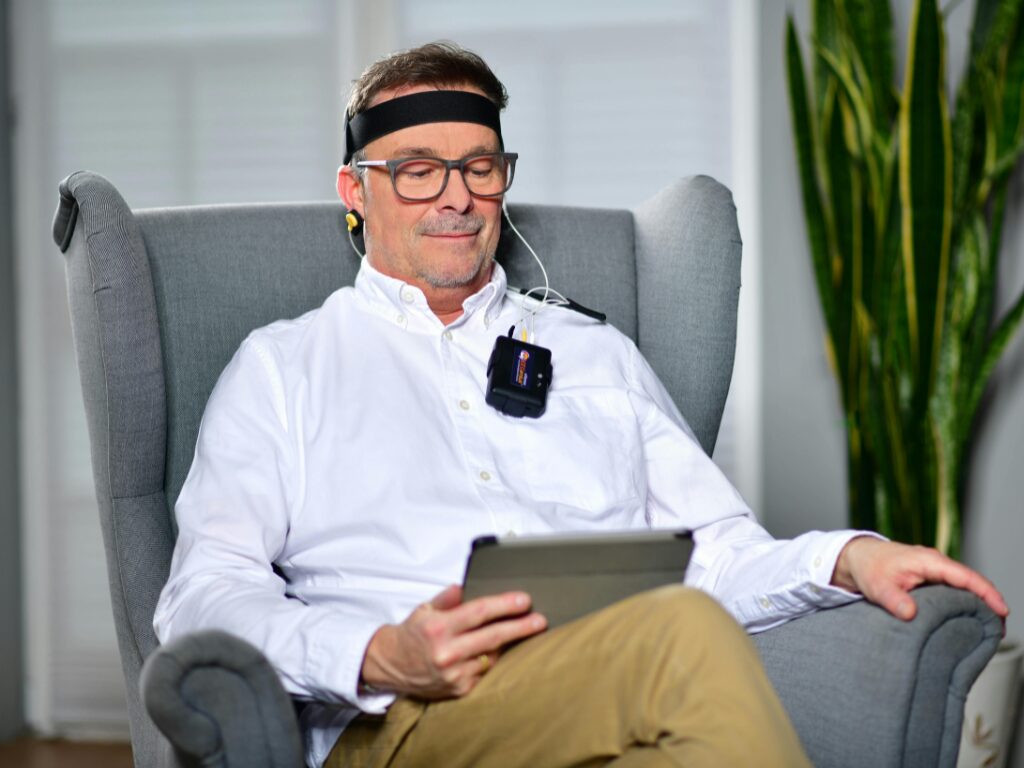
- Wearable EEG headbands
- Neurofeedback mobile apps
- Portable neuro-sensing machines
They are user-friendly and provide simplified training modules for stress reduction, focus enhancement, meditation, and sleep improvement.
Neurofeedback Headbands: The Future of Brain Training
Neurofeedback headbands have become extremely popular for self-training. These lightweight devices use dry electrodes, removing the need for gels or complex setups.
Key advantages of headband devices:
- Easy to wear
- Quick setup (usually under a minute)
- Bluetooth-enabled
- Works with smartphone apps
- Tracks brainwave changes over time
- Ideal for ADHD students, working professionals, and meditation learners
Some devices even come with guided meditation and breathing sessions enhanced by EEG feedback.
These headbands cannot fully replace clinical training but are excellent for daily brain exercise and personal neurofeedback practice.
Neurofeedback for ADHD
One of the most researched and widely used applications of neurofeedback is for Attention-Deficit/Hyperactivity Disorder (ADHD).
Individuals with ADHD often show irregularities in brainwave patterns—especially elevated Theta waves (linked to daydreaming) and reduced Beta waves (linked to attention and active focus). Neurofeedback helps by:
- Increasing Beta wave activity (focus)
- Reducing Theta wave activity (distractibility)
- Improving sustained attention
- Reducing impulsiveness
- Helping regulate emotional outbursts
- Enhancing classroom and workplace performance
Several studies show that neurofeedback can be a powerful drug-free support tool for ADHD management. It may not replace medication entirely for everyone, but it significantly enhances overall brain function.
Conclusion: Is Neurofeedback Worth It?
Neurofeedback is a scientifically grounded, non-invasive, and progressive method to improve brain function. Whether you’re seeking help for ADHD, anxiety, sleep issues, peak performance, or simply wish to understand your brain better, neurofeedback offers a safe and effective approach.
With the growing availability of neurofeedback machines, devices, and EEG headbands, brain training is becoming more accessible than ever before. When combined with professional guidance and consistent practice, neurofeedback can transform how your brain performs—naturally and sustainably. It may be suitable for people who have all the time and money of the world, and, still, they may try LMNT Neurotherapy to reverse complications like ADHD.
Contact Us with your feedback and suggestions.