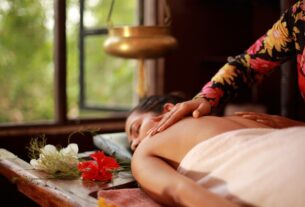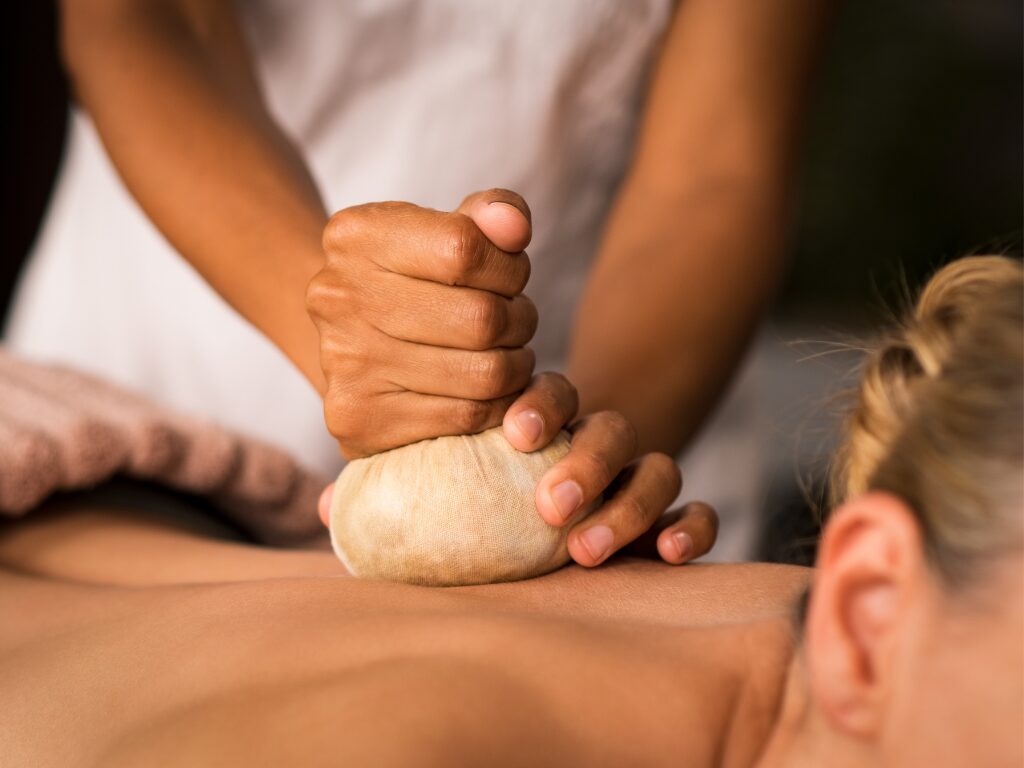
Marma Therapy is one of the most profound and powerful healing systems in Ayurveda. Rooted in the ancient wisdom of India, it focuses on stimulating specific energy points—called marma points—to restore balance, relieve pain, rejuvenate the body, and enhance overall well-being. These points act as junctions where the body’s physical, mental, and energetic pathways intersect. When activated correctly, they can influence the functioning of organs, channels, and bodily systems.
Although Marma Therapy is widely known in the Ayurvedic healing tradition, its techniques also form the foundation of Kalaripayattu, one of India’s oldest martial arts. Warriors practiced marmashastra not only to heal but also to understand vulnerable points in the human body for defense and combat. Today, Marma Therapy is applied more for healing, rejuvenation, and deep relaxation.
The Roots of Marma Therapy in Ayurveda
Ayurveda describes 107 marma points located throughout the body. These points guard vital organs and life forces. Ancient texts like the Sushruta Samhita describe marmas as “seats of prana”—the vital energy responsible for life, movement, and consciousness. The mind of human is considered to be the 108th point.
Ayurveda believes that when prana flows freely, we experience health, clarity, and happiness. Any blockages or injuries to these vital points can cause pain, disease, or long-term imbalances.
Marma Therapy uses gentle pressure, massage, essential oils, and rhythmic touch to remove these blockages and restore pranic flow. It is considered safe, non-invasive, and deeply therapeutic when performed by trained practitioners.
How Marma Therapy Works
Marma Therapy stimulates these energy points by applying:
- Gentle pressure
- Circular massage (abhyanga strokes)
- Herbal oils
- Heat therapy
- Breathwork and relaxation techniques
Each marma point connects to a dosha (Vata, Pitta, Kapha), a specific organ, and a system such as the nervous system, digestive system, or circulatory system. Stimulation of these points can therefore influence the associated organs or systems. For example:
- Sthapani Marma (between the eyebrows) calms anxiety and improves focus.
- Talahridaya Marma (center of the palm and foot) influences the heart and emotional balance.
- Gulpha Marma (ankle region) improves movement and joint flexibility.
Types of Marma Points
Ayurveda categorizes marma points based on the tissues they are associated with:
- Mamsa Marma – muscle-based points
- Sira Marma – related to veins
- Snayu Marma – ligament-based
- Asthi Marma – related to bones
- Sandhi Marma – joints
These categories help practitioners understand how to apply pressure and tailor treatments based on a person’s constitution and health condition.
Connection Between Marma Therapy and Kalaripayattu
Kalaripayattu—the ancient martial art of Kerala—is deeply connected to marma science. Warriors were trained to understand:
- Sensitive points for self-defense
- Points to immobilize an opponent
- Points that help revive or treat injuries
This understanding of marma points made Kalaripayattu practitioners both fierce warriors and skilled healers. Even today, Kalari Chikitsa, a traditional healing branch, uses herbal oils, massages, and marma techniques to treat sprains, fractures, muscle injuries, and chronic pain.
In many traditional Kalari schools (kalari gurukulam), students undergo daily oil massages that stimulate marma points to enhance agility, flexibility, and mental focus.
Benefits of Marma Therapy
Marma Therapy offers a wide range of physical, emotional, and energetic benefits. Some of the most noted are:
1. Pain Relief
Helps reduce chronic pain in the back, neck, knees, and joints. Marma stimulation releases muscle tension and activates natural pain-relief pathways.
2. Stress Reduction & Emotional Balance
By calming the nervous system, marma massage reduces stress, anxiety, irritability, and mental fatigue.
3. Improved Blood and Pranic Circulation
Enhances the flow of nutrients, oxygen, and vital energy throughout the body.
4. Boosted Immunity
Stimulates lymphatic drainage and strengthens the body’s natural defense mechanisms.
5. Detoxification
Promotes removal of toxins (ama) from tissues and organs.
6. Better Sleep
Certain marma points influence melatonin levels and soothe the mind, leading to deeper sleep.
7. Enhanced Digestion
Helps regulate digestive fire (agni), reduces bloating, and improves metabolism.
8. Rejuvenation & Anti-Aging
Increases vitality, opens energy channels, and nourishes the skin and tissues.
9. Hormonal Balance
Supports endocrine glands and helps regulate hormonal cycles.
10. Improved Flexibility & Mobility
Especially beneficial for athletes, dancers, and martial artists.
Who Can Benefit From Marma Therapy?
Marma Therapy is suitable for:
- Individuals dealing with stress, anxiety, or insomnia
- People with chronic pain or stiffness
- Professionals with sedentary lifestyles
- Elderly individuals needing gentle therapeutic healing
- Athletes and Kalaripayattu practitioners
- Those seeking natural body-mind rejuvenation
However, it should be performed by a trained therapist, especially in cases of acute pain, injuries, or chronic illness.
Conclusion
Marma Therapy is not just a massage technique—it is an ancient science that integrates Ayurveda, pranic healing, and the martial wisdom of Kalaripayattu. By activating the body’s energy points, it brings harmony to the physical, mental, and emotional layers of being. In a world full of stress and imbalance, this traditional healing system offers a natural, time-tested path to wellness, vitality, and inner peace.
If practiced regularly under expert guidance, Marma Therapy can transform your health, energy, and overall quality of life.
Contact Us with your feedback and suggestions.